
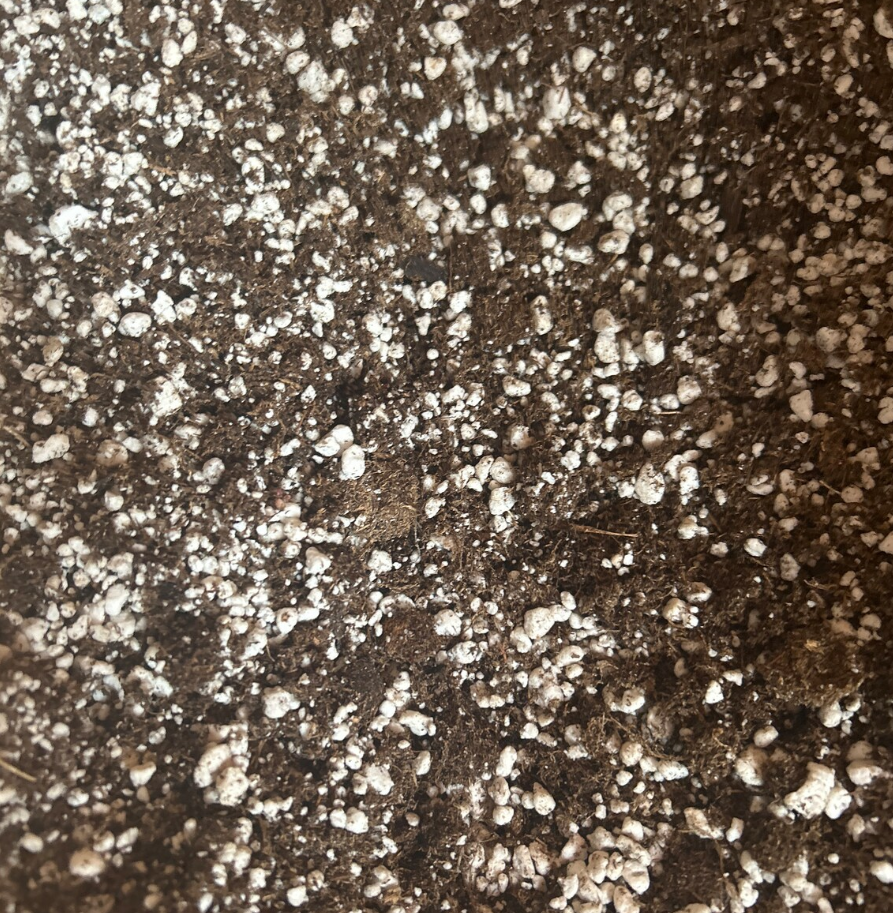
Peat and sphagnum stay moist, so growers sometimes notice white or gray fungal growth on the media, dead leaves, or old prey. Surface mold can be unattractive without immediately meaning that the plant's roots are rotting.
Start by finding what the fungus is growing on
Mold often colonizes dead organic material first. Remove fallen leaves, dead pitchers, old flower parts, and decomposing food from the pot surface. If the growth disappears after basic cleanup and the plant is healthy, drastic treatment may not be needed.
Airflow matters
Still, humid air allows surfaces to remain wet for long periods. Gentle air movement can reduce persistent condensation and help the growing area stay less stagnant. Do not aim a powerful dry fan directly at humidity-sensitive plants just to eliminate mold.
Do not solve mold by drying the wrong plant
Many carnivorous plants require wet or consistently moist media. Letting a Sarracenia or bog-grown Drosera dry severely can cause more damage than a harmless patch of surface fungus. Adjust care according to the species, not generic houseplant advice.
When mold is more concerning
Investigate further if fungal growth is accompanied by a soft crown, mushy rhizome, foul-smelling media, collapsing stems, or rapidly spreading dead tissue. Those signs can indicate a deeper rot problem rather than simple surface growth.
Reduce easy food sources
Do not leave oversized insects or chunks of food decomposing in traps or on the soil. Keep pots, trays, and the growing area reasonably clean. If the medium itself has become badly decomposed or compacted, fresh appropriate media may improve root aeration.
Fungi are normal parts of moist environments. Treat the plant, roots, and environmental pattern, not just the sight of a few white threads on the surface.